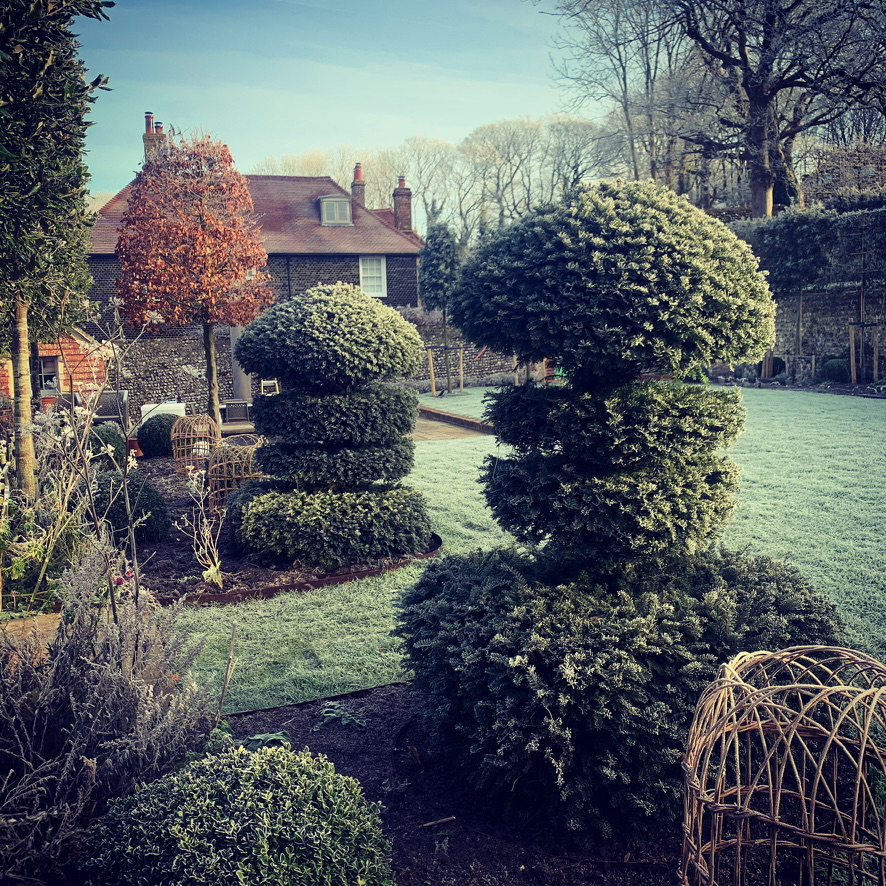
It's not about trees.
When I named my radio programme, people assumed it was a provocation against environmentalism. It isn't. I'm a keen gardener and I care deeply about nature. But sustainability runs deeper than planting trees. It's about how businesses, communities and ecosystems hold together over time.
That's where this started. To explain why, I need to go back further.
Thirty years of transformation.
I'm an engineer by training. Engineers think in systems. We ask how things actually work, not how they're supposed to work. What holds them together. What happens when you change one variable and everything else shifts.
That foundation took me into consulting. As a Partner at PA Consulting I led technology-enabled transformation for some of the most complex institutions in the world. Programmes that ran for years, across borders, with serious money on the line. What we called Out of the Ordinary delivery.
Then Moorhouse. I joined as a Partner, part of the management buyout team and spent nearly a decade scaling the business x 5. We built a culture people wanted to be part of and delivered a successful private equity exit. It was the hardest and most rewarding thing I have done professionally.
What thirty years at that level teaches you is that technology rarely decides the outcome. Nor does strategy. The deciding factor is almost always human.
Culture. Behaviour. Trust. Leadership. The gap between what organisations say they are and what they actually do.
The organisations that endured were the ones most connected.
The organisations that endured had something in common. They were deeply connected to their people, to their purpose, and to the systems they operated within. Efficiency and control mattered, but neither carried them through.
After the Moorhouse exit I went and studied garden design. I'd become interested in Derek Jarman, the artist who created one of the most remarkable gardens in Britain on the shingle at Dungeness. A living system working with its environment rather than against it. Thriving precisely because it didn't try to dominate what surrounded it.
It wasn't a career change. It was the same argument in a different medium.
The most resilient systems, in nature and in business, are not the most controlled. They are the most connected.